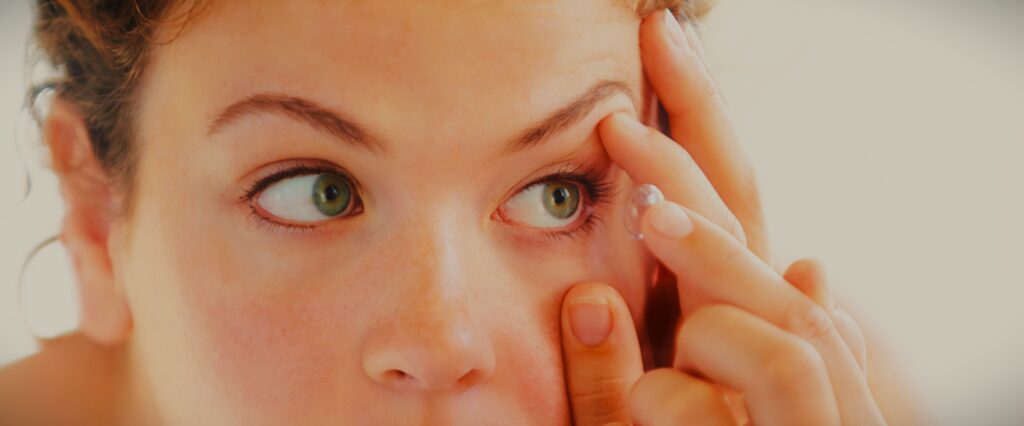
Summer and swimming in the sea or pool can pose an eye health risk for contact lens wearers
Improper use of contact lenses can lead to anything from mild discomfort to infections and permanent eye damage, such as corneal scarring.
With summer in full swing, there’s nothing more appealing than taking a dip outdoors. However, wearing contact lenses while swimming can pose a risk to eye health if the proper precautions are not taken. Exposure to seawater or pool water, combined with heat and dry environmental conditions, can lead to discomfort and even eye infections.
“High salinity in seawater and the chemicals used in swimming pools, such as chlorine and algaecides, can irritate the eyes and reduce contact lens tolerance”, explains Dr. Alberto Muiños, medical director at Miranza Clínica Muiños. “On top of that, contact lenses are foreign bodies that rely on the eye’s natural moisture to remain comfortable, so it’s no surprise that eye discomfort tends to increase during the summer”, he adds.
One of the most common mistakes is allowing contact lenses to come into contact with water. “Water is the number one enemy of contact lenses. They should never be cleaned with tap water or any other type of water, only with dedicated contact lens solutions or sterile saline”, the specialist emphasizes.
In addition, swimming while wearing contact lenses increases the risk of eye complications, as particles, microorganisms, and irritating substances can adhere to the surface of the lenses. For this reason, experts recommend using daily disposable contact lenses, particularly on days spent at the beach or pool, to minimize the risks associated with prolonged wear and lens care products.
Heat and air conditioning: more dryness, more discomfort
During the summer months, high temperatures and the extensive use of air conditioning contribute to dry eyes. This directly affects contact lens wearers, who may experience increased discomfort, irritation, or the sensation of having a foreign body in the eye.
“Heat and dry environments reduce the eye’s natural moisture, making contact lenses less comfortable to wear”, says Dr. Muiños. In these cases, the use of artificial tears or lubricating eye drops is recommended to keep the ocular surface well hydrated.
Hygiene and warning signs: when to see a specialist
Proper hygiene is essential to prevent complications. Washing your hands before handling contact lenses and following the recommended wear and care instructions are key steps in maintaining good eye health.
Poor lens care can lead to more serious problems. “If you experience red eyes, pain, white or yellow discharge, or any discomfort that feels different from your usual symptoms, it is important to see an eye care professional, as it could indicate an infection or a corneal ulcer”, warns Dr. Muiños. These conditions can leave permanent damage, such as corneal scarring (leukomas), which may significantly impair vision.
Allergic conjunctivitis also on the rise during summer
Cases of allergic conjunctivitis are also common during the summer months. This inflammation of the conjunctiva can be triggered by pollen, dust mites, pollution, or exposure to air conditioning.
The most common symptoms include itching, watery eyes, and swollen eyelids. Mild cases can often be relieved with cold compresses and artificial tears, while more severe cases may require specific medical treatment.
Article reviewed by Dr. Alberto Muiños, medical director at Miranza Clínica Muiños