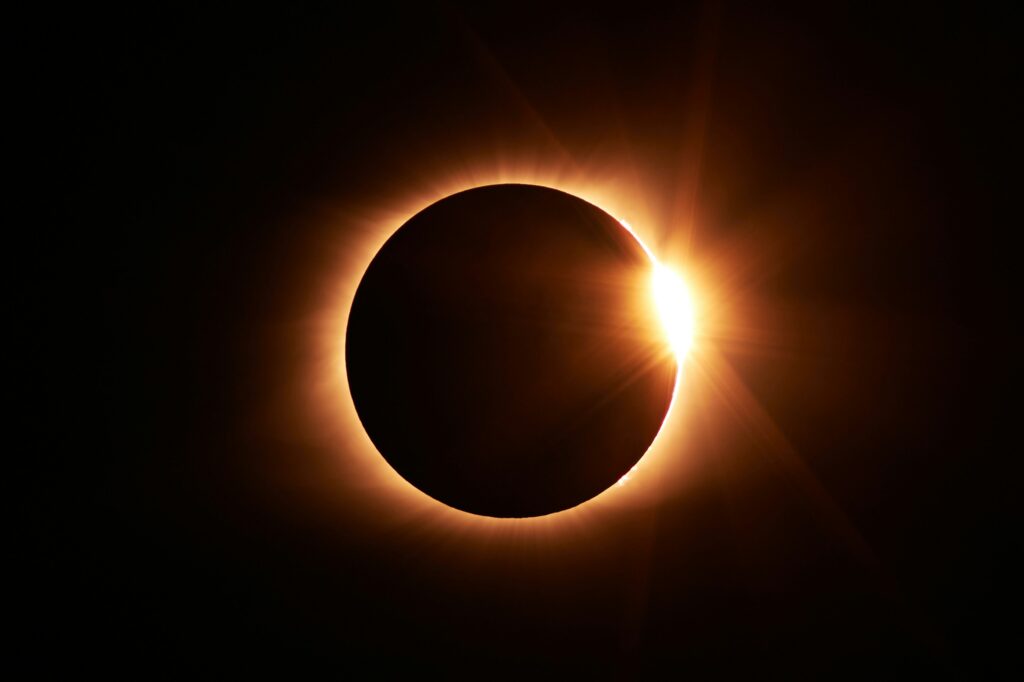
Looking at a solar eclipse without proper eye protection can cause irreversible damage to the retina in just a few seconds
The most common symptoms include the appearance of a dark spot in the center of the visual field, blurred vision, reduced visual acuity, distorted images, and changes in color perception.
On August 12, Spain will witness a historic astronomical event: the first total solar eclipse visible from the Iberian Peninsula in more than a century. It will be a unique spectacle that millions of people will want to observe, but viewing it without proper eye protection can cause irreversible damage to the retina.
In light of this phenomenon, Miranza specialists remind the public that looking directly at the Sun, even when it is partially obscured by the Moon, can cause solar retinopathy, an injury resulting from the photochemical and thermal damage that solar radiation inflicts on the macula, the part of the retina responsible for central vision, fine detail, and color perception.
“The retina has no pain receptors, so a person can sustain an injury without experiencing any discomfort at the time. The damage usually becomes apparent hours, or even one or two days later, when the injury has already occurred”, explains Dr. José María Ruiz Moreno, a retinal specialist at IMO GrupoMiranza Madrid.
The most common symptoms include the appearance of a dark spot in the center of the visual field (scotoma), blurred vision, reduced visual acuity, distorted images, and changes in color perception. Although some patients may experience partial improvement over time, there is currently no treatment capable of reversing the damage once the retina’s photoreceptors have been affected.
Sunglasses are not safe for viewing a solar eclipse
Ophthalmologists are keen to dispel one of the most common misconceptions: no ordinary sunglasses, not even those with the highest level of UV protection, are safe for viewing a solar eclipse directly.
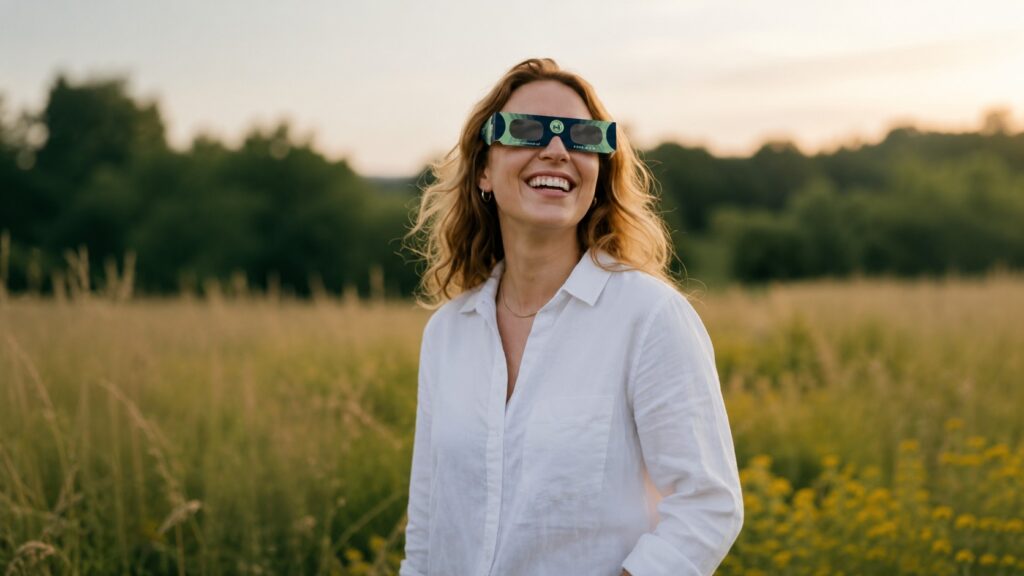
Solar viewing glasses must comply with the international standard ISO 12312-2
“The only safe way to observe a solar eclipse is by using specially designed solar viewing glasses that comply with the international ISO 12312-2 standard. Any other method, no matter how dark it may appear, remains dangerous for the retina”, says Dr.Lucía Galletero, a specialist at Miranza Bilbao.
Certified eclipse glasses feature a metallized black polymer filter capable of blocking 99.999% of sunlight, including ultraviolet and infrared radiation. Specialists recommend checking that the glasses display the ISO 12312-2 certification, the manufacturer’s name, and the batch number, while also ensuring that the lenses are free from scratches or any signs of damage.
Beware of homemade eclipse viewing methods
Numerous myths and homemade solutions have circulated, leading people to believe they can safely observe the eclipse using materials such as X-ray films, smoked glass, photographic negatives, CDs, DVDs, ski goggles, polarized filters, or regular sunglasses. However, Miranza specialists warn that none of these methods provides adequate protection against harmful solar radiation.
In addition, viewing the eclipse through binoculars, telescopes, or cameras without dedicated solar filters can be even more dangerous, as these devices concentrate sunlight and significantly increase the risk of severe retinal injury.
How to observe the eclipse safely
Specialists recommend following these guidelines to enjoy the eclipse while protecting your eyesight. Additional information is available at miranza.es/eclipse-solar
- Use only certified eclipse glasses that comply with the ISO 12312-2 standard.
- Check that the glasses are in perfect condition before use.
- Avoid looking at the Sun continuously; observe it only in brief intervals.
- Never use regular sunglasses or homemade viewing methods.
- If using telescopes, binoculars, or cameras, ensure they are fitted with dedicated solar filters mounted on the front of the device.
- Closely supervise children to ensure they are using eclipse glasses correctly.