 Book an appointment
Eye diseases
Glaucoma
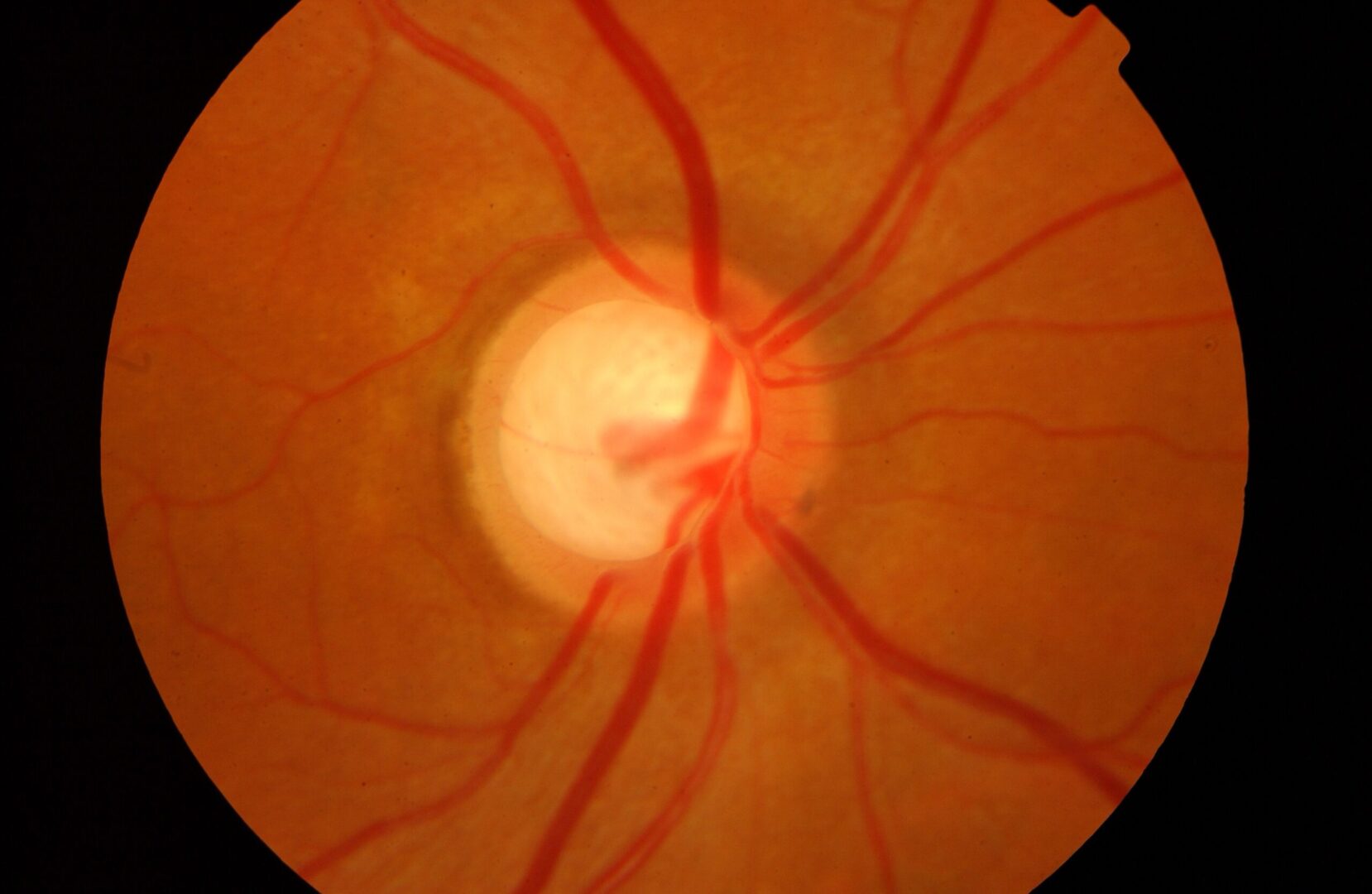
What is glaucoma?
Glaucoma affects over 1 million people in Spain and includes a group of neurodegenerative diseases that cause progressive, irreversible damage to the optic nerve. This structure is key for vision, as it transmits the nerve impulses from the eye (more specifically from the retina) to the brain so that it can interpret them and you can see the images. As a result of the progressive loss of optic nerve fibres, the visual field is gradually reduced and can result in blindness if the disease is not slowed down.
There are several types of glaucoma, which are primarily grouped into open-angle glaucoma (the most common, accounting for 90% of all cases) and closed-angle glaucoma, depending on the opening of the angle of the eye where the structures involved in the disease are located.
Glaucoma can also be classified according to its time of appearance (congenital, childhood, juvenile or adult) and its origins, which might be primary or secondary to other ocular processes or systematic diseases, such as diabetes.
Symptoms
Causes and risk factors
Treatment
Glaucoma is a silent disease –50% of patients do not know they have it– because, in most cases, it has no evident symptoms and goes unnoticed until there is significant damage. This is because it often progresses slowly and initially affects the outside of the visual field, not reaching the centre of the image until late stages and causing a significant loss. To avoid reaching these severe stages that make independence in everyday life difficult, early diagnosis during regular eye check ups is essential.
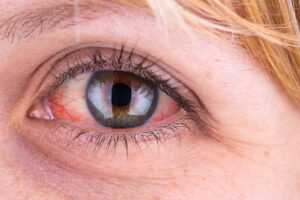
A good ophthalmological control can also avoid severe attacks of glaucoma, which might sometimes occur and are extremely painful, as well as causing a sudden decrease in vision, red eye, halos and dazzle, nausea and vomiting. If you notice any of these symptoms, you must see the specialist urgently.


Frequently Asked Questions
Glaucoma is a group of diseases that progressively damage the optic nerve and can cause irreversible vision loss. In many cases it is related to high intraocular pressure, although it can also occur with pressure values considered normal.
Glaucoma usually progresses without symptoms in its early stages, so many people are unaware that they have it. As it progresses, it can cause loss of the visual field. Some forms of glaucoma, such as acute angle-closure glaucoma, can cause severe eye pain, a red eye, blurred vision, halos around lights, nausea or vomiting and require urgent attention.
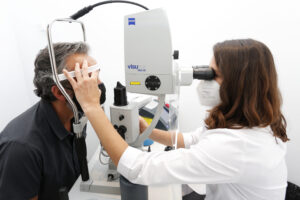
The only way to detect glaucoma is through an eye examination. The specialist can assess intraocular pressure, the optic nerve and the visual field, as well as carry out imaging tests to analyze the affected structures. Check-ups are especially important when there are risk factors.
Glaucoma testing may include measuring intraocular pressure, examining the optic nerve, visual field testing (perimetry), gonioscopy and imaging tests such as OCT. The combination of these tests makes it possible to establish the diagnosis and monitor the progression of the disease.
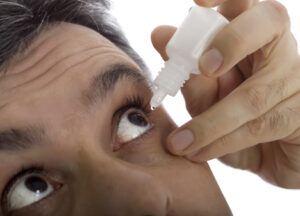
The aim of glaucoma treatment is to control intraocular pressure and prevent further damage to the optic nerve. Depending on the case, eye drops, laser treatments or various surgical techniques can be used, including minimally invasive procedures and implants.
There is currently no cure that can restore an optic nerve already damaged by glaucoma. However, there are effective treatments to control the disease and reduce the risk of progression. Early diagnosis and regular follow-up are essential to preserve vision.
There are different types of glaucoma, including primary open-angle glaucoma, angle-closure glaucoma, normal-tension glaucoma and secondary glaucomas. Each has different characteristics and risk factors and may require specific treatment.
High intraocular pressure is one of the main risk factors for developing glaucoma, as it can contribute to damage to the optic nerve. However, glaucoma can also occur with intraocular pressure within the values considered normal. For this reason, eye pressure must be assessed together with the condition of the optic nerve and other tests.
Although an intraocular pressure of approximately 10 to 21 mmHg is usually considered to be within the normal range, this value alone cannot be used to diagnose or rule out glaucoma. Some people can develop optic nerve damage at lower pressures, while others may have high pressure without developing glaucoma.
Not necessarily. Ocular hypertension means that the pressure inside the eye is high, but it does not imply that there is damage to the optic nerve. Some people with high eye pressure may not develop glaucoma, although they are at greater risk and need ophthalmological follow-up.
Yes. There is normal-tension glaucoma, in which progressive damage to the optic nerve occurs without intraocular pressure exceeding the values considered normal. For this reason, the diagnosis of glaucoma should not be based solely on measuring eye pressure.
Yes. Glaucoma can affect both eyes, although not necessarily with the same severity or at the same rate. Monitoring each eye makes it possible to detect possible changes and adapt treatment according to how the disease progresses.
Having close relatives with glaucoma can increase the risk of developing the disease. For this reason, people with a family history should pay special attention to eye examinations and follow their specialist’s recommendations.
The risk of glaucoma increases with age, especially from the age of 40 and more significantly at older ages. However, it can also appear in young people, and there are even congenital or juvenile forms, so age alone cannot rule it out.
The risk of glaucoma increases with age and with certain family histories. Factors such as ocular hypertension, some anatomical characteristics of the eye, certain eye injuries and certain diseases or treatments can also play a role. The ophthalmologist can determine the level of risk through an individual assessment.
Yes. People who have first-degree relatives with glaucoma are at greater risk of developing the disease. In these cases, regular eye examinations are especially recommended to detect possible changes in the early stages.
In many cases, glaucoma does not cause symptoms in its early stages. Vision loss usually begins in the periphery of the visual field and can go unnoticed. This is why eye examinations are essential to detect the disease before it causes significant vision loss.
Glaucoma can cause progressive loss of the visual field due to damage to the optic nerve. In advanced stages it can significantly affect vision and, if left untreated, lead to serious vision loss.
How glaucoma is perceived depends on the stage of the disease. In its early stages it may not cause any noticeable visual change. As it progresses, loss of peripheral vision may appear, eventually affecting larger areas of the visual field in advanced stages.
Some forms of glaucoma can cause blurred vision, although this symptom is not specific to the disease. Blurred vision can have many different causes, so an eye examination is needed to determine its origin.
The most common form of glaucoma usually progresses without pain. However, certain forms, such as acute angle-closure glaucoma, can cause severe eye pain, a red eye, blurred vision, halos around lights, nausea or vomiting and require urgent medical attention.
Some forms of glaucoma, especially those that cause a sudden increase in intraocular pressure, can be associated with headaches or pain around the eyes. However, headaches have many possible causes and cannot by themselves identify glaucoma.
Yes. Progressive loss of peripheral vision is one of the main visual changes associated with glaucoma. At first it can go unnoticed because the brain compensates for some of the missing information, but it can become more noticeable as the disease progresses.
If not properly diagnosed and treated, glaucoma can cause irreversible vision loss and, in advanced cases, even blindness. Treatment does not reverse damage already done to the optic nerve, but it can help slow or stop the progression of the disease.
Glaucoma is detected through an ophthalmological assessment that combines various tests. The specialist analyzes intraocular pressure, the appearance of the optic nerve and the visual field and may use imaging tests such as OCT to detect and monitor possible damage.
Perimetry is a test used to study the visual field and detect areas where vision may be affected. It is one of the key tests for diagnosing and monitoring the progression of glaucoma and checking for changes in peripheral vision.
OCT is a non-invasive imaging test that produces detailed images of various structures of the eye, especially the retina and optic nerve. In glaucoma it helps analyze the condition of the nerve fibers and detect changes that may indicate progression of the disease.
Gonioscopy is a test used to examine the angle formed by the iris and the cornea at the front of the eye. It is especially useful for determining whether the angle is open or closed and helps the ophthalmologist classify certain types of glaucoma and choose the most appropriate treatment.
Yes. An eye examination can detect signs that suggest the presence of glaucoma, even when there are no symptoms yet. Assessing intraocular pressure, the optic nerve, the visual field and other tests makes it possible to identify the disease in its early stages.
How often check-ups are needed depends on whether glaucoma is present, how advanced it is and each person’s risk factors. Diagnosed patients should follow the check-up schedule set by their ophthalmologist to monitor eye pressure, the optic nerve and the visual field.
There is no single treatment that is best for all patients. Depending on the type of glaucoma, the level of intraocular pressure, damage to the optic nerve and other factors, eye drops, laser or various surgical techniques can be used. The aim is to control the disease and protect the optic nerve.
Yes. Although damage to the optic nerve cannot be reversed, there are treatments that make it possible to control intraocular pressure and reduce the risk of the disease progressing further. Early diagnosis and adherence to treatment are essential.
Glaucoma treatment cannot reverse damage already done to the optic nerve. Its main aim is to prevent or slow the progression of the disease and preserve the vision the patient still has.
The eye drops used to treat glaucoma work mainly by reducing the production of aqueous humor or helping it drain out of the eye, with the aim of lowering intraocular pressure. They must be used exactly as directed by the ophthalmologist.
In many patients, treatment with eye drops must be continued long term to control intraocular pressure. However, needs can change over time and some patients may benefit from laser or surgical treatments. Treatment should never be changed or stopped without consulting the ophthalmologist.
If eye drops do not sufficiently control intraocular pressure, the ophthalmologist may change the treatment, combine different medications or consider other options such as laser or surgery. The choice depends on the type of glaucoma and each patient’s progress.
It is not always possible to prevent glaucoma, but regular eye examinations can support early detection and reduce the risk of vision loss. This is especially important for people with a family history or risk factors.
The best way to reduce the risk of vision loss from glaucoma is to detect and treat it early. It is important to have regular check-ups, follow the prescribed treatment correctly and attend the check-ups indicated by the specialist to monitor the progress of the optic nerve and intraocular pressure.
Yes. Glaucoma can progress for years without causing obvious symptoms. Monitoring intraocular pressure and carrying out a complete assessment of the optic nerve makes it possible to detect risk factors and possible signs of disease before vision loss becomes apparent.
Yes. Glaucoma can develop for years without causing symptoms or noticeably affecting everyday vision. This is why seeing well does not rule out the disease, and check-ups are especially important for people with risk factors.
Most glaucomas progress gradually and silently. However, acute angle-closure glaucoma can cause a sudden rise in intraocular pressure and cause severe pain, a red eye, blurred vision, halos, nausea or vomiting. This situation requires urgent ophthalmic care.
Yes. Although the risk increases with age, there are forms of glaucoma that can appear in young people. A family history, certain eye characteristics and some diseases can increase the risk.
No. Ocular hypertension means that intraocular pressure is high without necessarily any damage to the optic nerve. Glaucoma involves a characteristic lesion of the optic nerve and can occur even with eye pressure within the range considered normal.
Glaucoma and cataracts are different diseases, although they can coexist. In certain patients, cataract surgery can influence intraocular pressure, but progress should be monitored especially in people who already have glaucoma or risk factors.
Having glaucoma does not necessarily mean you cannot drive. Whether you can drive depends on the degree to which the visual field is affected and whether the legal vision requirements are met. The ophthalmologist can assess how the disease affects the visual ability needed to drive.
In general, many people with glaucoma can be physically active, although certain situations may require specific precautions. The type and intensity of exercise should be adapted to the patient’s characteristics and their ophthalmologist’s instructions.
The relationship between stress and intraocular pressure does not allow stress to be considered a direct cause of glaucoma. People who have been diagnosed should focus on following their treatment correctly and attending the recommended eye check-ups to keep the disease under control.
Glaucoma is a progressive disease that can get worse if not properly controlled. However, early diagnosis and tailored treatment make it possible to reduce the risk of progression and preserve vision for many years in many patients.
Without treatment and follow-up, glaucoma can continue to progressively damage the optic nerve and cause irreversible loss of the visual field. In advanced stages it can seriously compromise vision, so it is essential to diagnose and control it properly.
You should go to an ophthalmic emergency department if you suddenly experience severe eye pain, a very red eye, blurred vision, halos around lights, a severe headache, nausea or vomiting. These symptoms may indicate acute angle-closure glaucoma, which requires immediate treatment.
Yes. Although the most common form of glaucoma is usually painless, acute angle-closure glaucoma can cause severe eye pain, redness, blurred vision and halos around lights, as well as nausea or vomiting. These symptoms require an urgent ophthalmological assessment.
Sudden vision loss accompanied by eye pain is a situation that requires urgent ophthalmic care. It can be caused by various diseases, including some acute forms of glaucoma, so it is important to go immediately to an ophthalmic emergency department.