 Book an appointment
Eye diseases
Eyelid ptosis
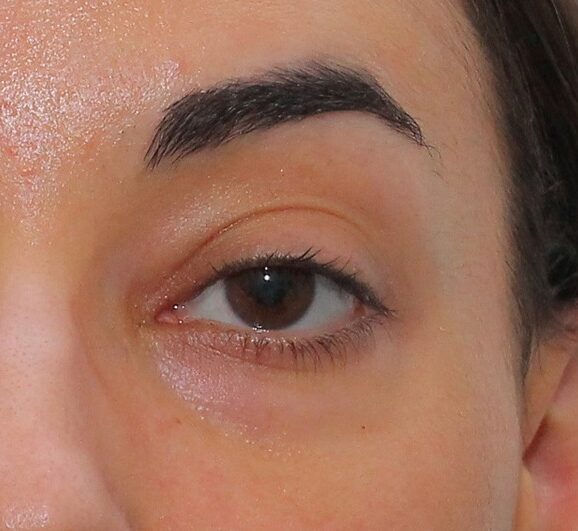
What is eyelid ptosis?
Eyelid ptosis is the drooping of the upper eyelid in such a manner that the eye is shut closed more than usual and cannot be opened normally.
This not only generates appearance problems, but can also lead to an alteration in the lubrication of the eye’s surface –as the tears are not distributed appropriately by blinking–, and a reduction in the visual field. In the case of children (congenital ptosis (link)), it might also prevent eyesight from developing correctly and lead to “lazy eye” (link).
Symptoms
Causes and risk factors
Diagnosis
Treatment
Prevention
The loss of visual field occurs when eyelid ptosis is severe enough to cover the pupil through the visual stimuli enter the eye.
Other consequences you might notice if you have this badly positioned eyelid are:
- Tired eyes, with a feeling of fatigue and heaviness on the eyelids because you are constantly trying to open your eye more fully.
- Headaches due to the muscle tension maintained involuntarily to “pull” the eyelid up from the forehead.
- Torticollis caused by adopting unsuitable postures to compensate for the visual obstacle (tilting your head, lifting your chin, etc.)
Insofar as the aesthetic impact, don’t forget the repercussions that drooping eyelids might have in terms of personal acceptance and social relations.



Frequently Asked Questions
Eyelid ptosis is the abnormal drooping of one or both upper eyelids. It can reduce the visual field and also change the appearance of the eyes. Its causes vary, so an ophthalmological assessment is important before deciding on treatment.
Drooping eyelids may be noticeable because one or both eyelids cover part of the eye, create a tired appearance or obstruct upper vision. An ophthalmological assessment makes it possible to determine whether it is ptosis, excess skin or another problem.
Yes. When the eyelid droops significantly it can limit part of the visual field, especially the upper part. In these cases, as well as the cosmetic impact, there may be a functional impairment that should be assessed by a specialist.
Asymmetry of the eyelids can be due to various causes, including eyelid ptosis, excess skin or anatomical differences. When it appears recently or increases over time, an ophthalmological assessment is advisable.
Ptosis can have various causes and may be present from birth or develop over the course of life. It may be related to problems with the muscle that lifts the eyelid, its supporting structures or, in some cases, neurological causes.
Treatment depends on the cause, the degree of eyelid drooping and the function of the levator muscle. In certain cases, surgery may be needed to improve the position of the eyelid and widen the visual field.
Yes. Sudden drooping of the eyelid, especially if accompanied by double vision, pupil changes, headache or other neurological symptoms, requires urgent medical assessment to determine its cause.