The difficulty in reading after age 40, the first symptom of presbyopia
Presbyopia, commonly known as “age-related farsightedness” or “tired eyes,” is one of the most frequent visual problems worldwide. It usually appears from around the age of 40–45 and occurs as a consequence of the aging of the crystalline lens, the natural lens of the eye, which gradually loses its elasticity and its ability to accommodate or focus at different distances.
According to the World Health Organization, refractive errors, including presbyopia, represent one of the main causes of visual impairment in the world, affecting millions of people and impacting their quality of life. In fact, the WHO estimates that more than 800 millionpeopleworldwide suffer from this condition, making it the most common cause of near-vision deterioration.
In Spain, presbyopia is also among the most common visual disorders, along with myopia, with a significant incidence in the adult population. According to the latest Miranza Eye Wellbeing Barometer, 31.2% of Spaniards suffer from presbyopia.
One of the first signs that may alert patients to this condition is poor near vision. Therefore, having difficulty performing tasks that require close vision, such as reading a book, using a mobile phone, or checking a restaurant bill, can be among the first symptoms to take into account. Sometimes, the discomfort when reading is mistaken for a gradual loss of interest in this habit, until tired vision becomes evident and the use of glasses becomes essential.
Refractive surgery as a solution beyond glasses
Glasses are the most common solution for dealing with age-related farsightedness, although in recent years surgery has been gaining prominence as an alternative to reduce this dependence.
More and more people are considering a surgical solution in order to maintain an active lifestyle with the least possible need for optical correction. In this sense, lens surgery, also known as refractive lens exchange (RLE), is currently the main option offered from the age of 50 onwards for people with presbyopia.
Refractive lens exchange is an outpatient procedure lasting approximately 15 minutes, which does not require stitches and is performed using topical anesthesia in the form of eye drops. To carry out this surgery, the lens is accessed through a micro-incision of just 2 mm, which does not require sutures to close. The natural lens is then dissolved and aspirated, leaving only a thin surrounding membrane to support the intraocular lens that is implanted in place of the natural lens.
In addition, presbyopia surgery can be fully customized through the implantation of lenses that also allow the correction, in the same procedure, of previous refractive errors such as myopia, hyperopia, or astigmatism.
According to specialists at Miranza, “lens surgery, which stands out for the implantation of multifocal lenses, provides freedom from glasses for all distances in most cases. However, not all patients are good candidates for this type of lens, and some people may benefit more from other options. That is why it is especially important to consult a professional who can advise on the most appropriate technique and solution”.
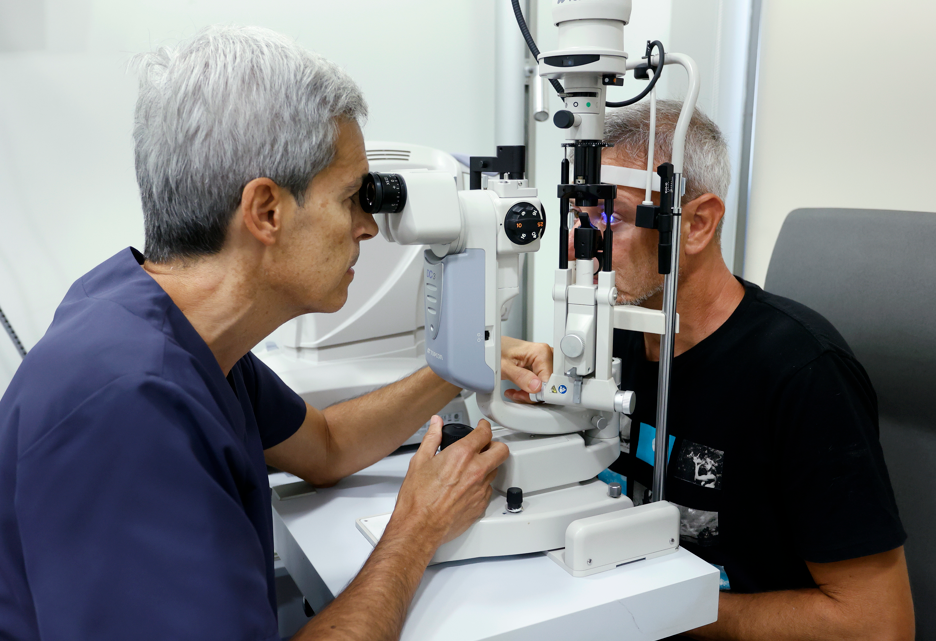
In this regard, they recommend regular ophthalmological check-ups starting from the age of 40 to detect the onset of presbyopia early and assess the different available correction alternatives.