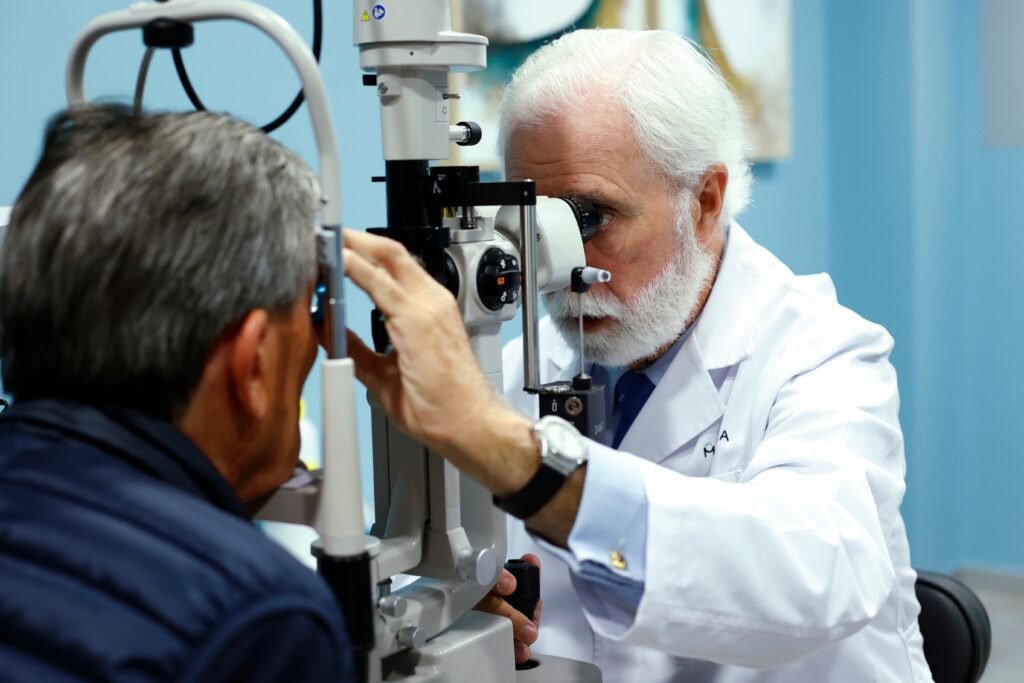
Leading advances in ophthalmology to prevent avoidable blindness
Research in ophthalmology has become a key element in the fight against avoidable blindness and in the development of new therapies. In this context, Miranza Instituto Gómez-Ulla has positioned itself as a reference center in the management of various retinal diseases such as AMD, diabetic retinopathy, retinal vein occlusions, and myopia.
Miranza Instituto Gómez-Ulla has participated in a total of 73 clinical trials and currently maintains six active studies. Among its ongoing research projects, its participation in the international 4FRONT-2 clinical trial stands out. This global study is evaluating an innovative gene therapy (4D-150) for the treatment of neovascular AMD, a condition characterized by rapid loss of central vision and one of the leading causes of blindness in people over the age of 65. If proven effective, this therapeutic approach could represent a paradigm shift by significantly reducing the need for repeated intravitreal injections through a single-administration gene therapy.
The center is also involved in research into new therapeutic options for atopic keratoconjunctivitis, a chronic inflammatory eye disease. Specifically, the international clinical trial in which it is participating is studying the efficacy of the DFL24498 HCl eye drop in improving symptoms and patients’ quality of life.
In addition, the clinic is collaborating on studies focused on dry AMD, including one that is about to begin involving an orally administered drug, thereby expanding the range of conditions in which innovation may improve visual prognosis.
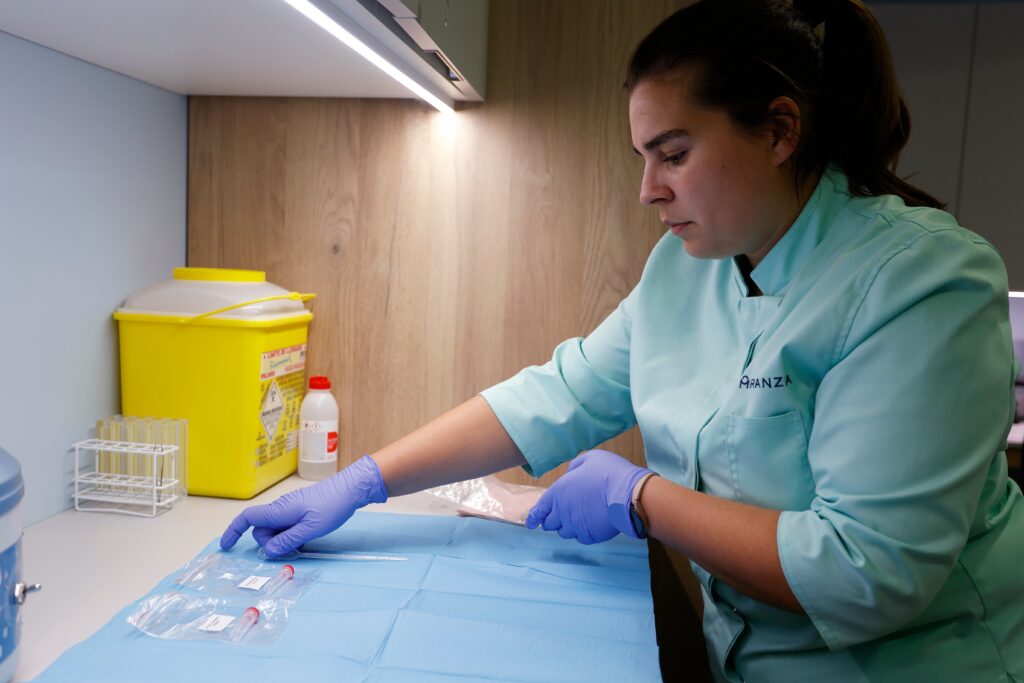
Pioneering innovation in retinal diagnosis and treatment
The clinic has been a pioneer in the introduction and development of fundamental diagnostic and therapeutic techniques in modern ophthalmology. Among its main contributions are the application of fluorescein angiography in the diagnosis and laser treatment of retinal diseases, as well as the introduction in Spain of indocyanine green angiography, which is key to detecting alterations in chorioretinal vascularization. The center has also promoted advanced techniques such as digital angiography, autofluorescence imaging, Optical Coherence Tomography (OCT), and non-contrast angiography (OCTA), imaging tests that are now essential in clinical practice.
In the therapeutic field, the center has contributed to the research and development of innovative treatments such as Ranibizumab (Lucentis), Aflibercept 2 mg (Eylea), Aflibercept 8 mg (Eylea HD), Faricimab (Vabysmo), and Ocriplasmin (Jetrea). It also promoted the use of orphan drugs such as Bevacizumab (Avastin), which are widely used in the treatment of retinal diseases that may potentially cause blindness.