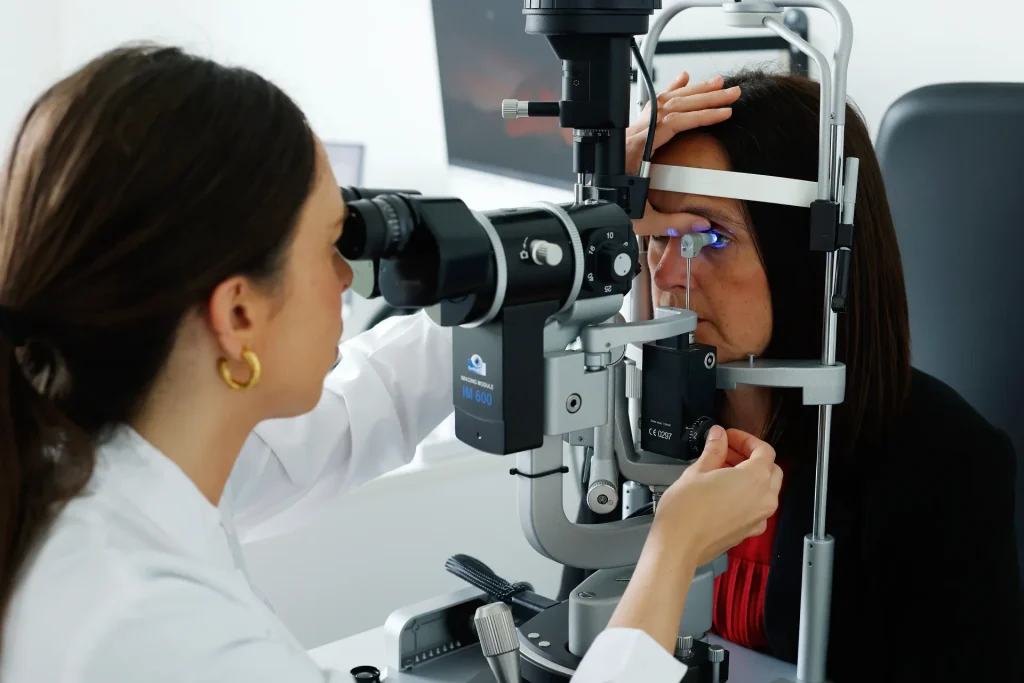
From the table to the retina: A balanced diet also protects eye health
Diet affects not only cardiovascular and metabolic health, but also plays an important role in eye care. To mark World Food Day, celebrated on October 16, specialists at Miranza highlight how following a varied and balanced diet can help support the proper functioning of ocular tissues.
Vitamins, minerals, antioxidants, carotenoids (natural pigments found in certain foods) and omega-3 fatty acids are among the nutrients associated with eye health. Rather than focusing on a specific food, specialists recommend maintaining a varied dietary pattern that prioritises fresh foods.
“There is no miracle food for protecting vision. The key is to maintain a varied and balanced diet that regularly provides the nutrients ocular tissues need,” say Miranza specialists.
Oily fish, vegetables and fruit, key allies
Oily fish, such as salmon, sardines, trout and tuna, stands out for its omega-3 fatty acid content, particularly DHA and EPA. These fatty acids perform important functions in the body and contribute to the maintenance of normal vision.
Green leafy vegetables, such as spinach, Swiss chard, kale and broccoli, provide lutein and zeaxanthin, two carotenoids that accumulate in the macula, the central area of the retina responsible for detailed vision. Meanwhile, fruit and vegetables of different colours provide vitamins and other antioxidant compounds.
Other beneficial foods include nuts, which are a source of vitamin E and other nutrients, and extra virgin olive oil, one of the cornerstones of the Mediterranean diet.
“Variety is essential: each food group provides different and complementary nutrients. Including them regularly helps maintain a balanced diet that supports overall health and contributes to eye care”, the specialists explain.
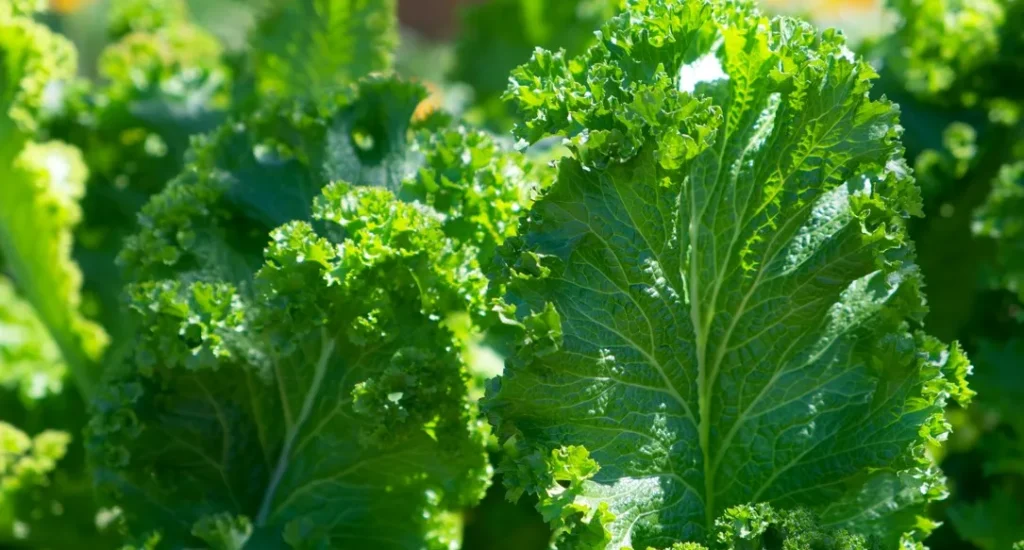
Green leafy vegetables, such as spinach, Swiss chard, kale and broccoli, provide lutein and zeaxanthin, two carotenoids that accumulate in the macula.
Beyond carrots
Carrots have traditionally been associated with good vision thanks to their beta-carotene content, a precursor of vitamin A. However, their benefits should not overshadow the role of other foods in a balanced diet.
Vitamin A is essential for the normal functioning of the retina and for vision in low-light conditions. Other nutrients found in fruit, vegetables, fish, eggs and nuts also help maintain ocular structures and support various processes related to eye health.
Excess sugar, a factor worth controllingBeyond carrots
Looking after our diet also means limiting the regular consumption of added sugars and ultra-processed foods. Excessive intake can harm metabolic and vascular health, with a particularly significant impact on the retina in people with diabetes or other metabolic disorders.
The issue is not occasionally eating something sweet, but allowing these products to regularly displace foods with higher nutritional value. An unbalanced diet can make it harder to obtain adequate amounts of the vitamins, minerals and antioxidants needed for the body to function properly.
The importance of these habits is also reflected in the findings of Miranza’s 6th Eye Health Barometer. Based on a survey of 1,000 people, the study places the overall assessment of eye health and well-being in Spain at 5.07 out of 10, the lowest score across the six editions of the survey.
The report identifies poor diet, stress and a sedentary lifestyle among the factors associated with poorer eye health and well-being, reinforcing the importance of adopting a healthy lifestyle as part of eye care.
“It is not the occasional sweet treat that should concern us, but rather the regular inclusion of excessive amounts of sugar and ultra-processed foods in our diet. Fresh, high-quality foods should form the foundation of what we eat”, Miranza specialists point out.
The Mediterranean diet as a model
With its combination of fruit, vegetables, fish, nuts and extra virgin olive oil, the Mediterranean diet represents a dietary pattern of interest for both general health and eye health.
However, a healthy diet is only one part of comprehensive vision care. Avoiding tobacco, exercising regularly, managing conditions such as diabetes and high blood pressure, and attending regular eye examinations are also important measures for preserving eye health.