Diabetes: early detection of retinal damage to prevent vision loss
Diabetes can affect various organs and tissues, including the retina. One of its main eye-related complications is diabetic retinopathy, which can develop without symptoms in its early stages and eventually lead to significant vision impairment. To mark World Diabetes Day, Miranza highlights the importance of regular eye examinations to assess retinal health and detect potential abnormalities before they affect visual function.
Diabetic retinopathy occurs when high blood glucose levels damage the small blood vessels in the retina. Its development is associated, among other factors, with the duration of diabetes and how well the condition is controlled. In its early stages, patients may not notice any changes in their vision, making an eye examination essential for identifying abnormalities that might otherwise go undetected.
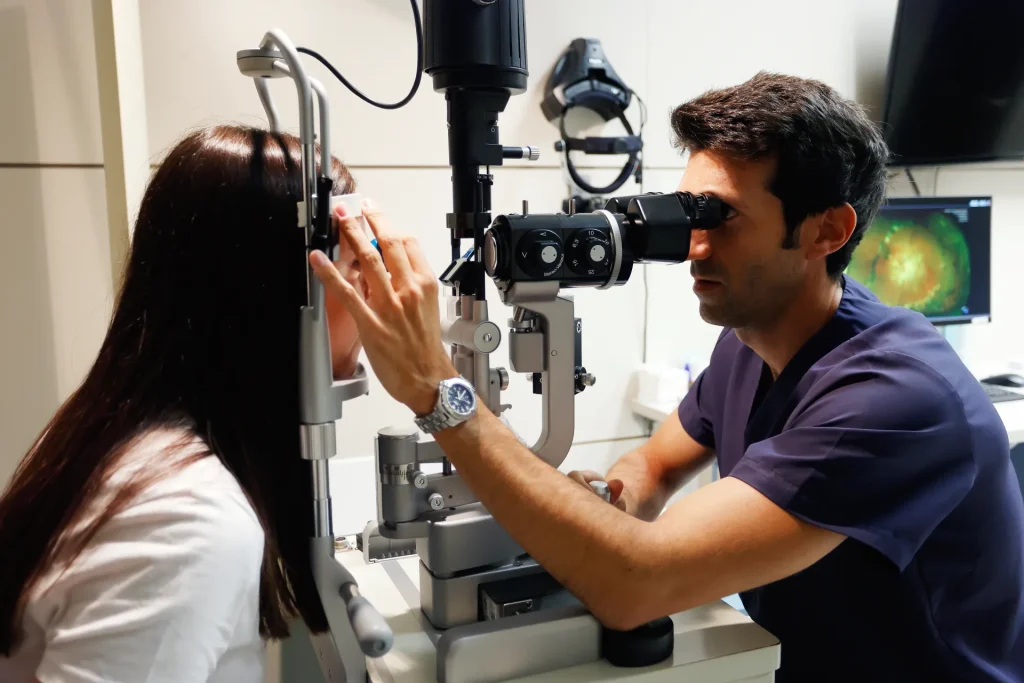
“By examining the retina, we can detect signs of diabetic retinopathy, a complication that can occur in people with diabetes, particularly when their metabolic control is inadequate. Furthermore, in its early stages, it may not cause any symptoms, meaning patients may be unaware that retinal damage has already occurred”, explains Dr Jorge Ruiz, specialist at IMO Grupo Miranza Madrid.
Detecting retinal damage and preventing its profession
In addition to maintaining good diabetes control, assessing retinal health allows specialists to determine whether specific monitoring is necessary or whether measures should be taken to prevent the lesions from progressing and potentially affecting vision.
One of the complications associated with diabetic retinopathy is macular oedema, which can significantly impair visual function. “Diabetic retinopathy is associated with a condition known as macular oedema, which is recognised as one of the leading causes of vision loss among people of working age,” explains Dr María Eugenia Tena, specialist at Miranza Tecnolaser.
Being alert to the first changes in vision
Blurred vision or other visual disturbances may indicate an underlying problem that requires an ophthalmological assessment. “For people who notice that their vision is beginning to deteriorate, an examination of the back of the eye is advisable. This allows us to assess the condition of the retina and determine whether any measures need to be taken”, says Dr Ruiz.
Article reviewed by Dr Jorge Ruiz, a specialist at IMO Grupo Miranza Madrid; and Dr María Eugenia Tena, a specialist at Miranza Tecnolaser.