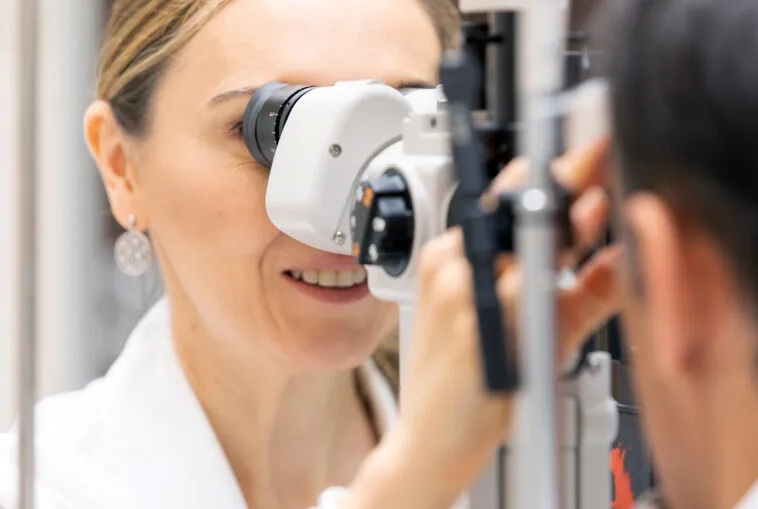
We are conducting a study on the effectiveness of self-tonometry after glaucoma surgery
Can you imagine being able to check your eye pressure after glaucoma surgery without leaving home? A study by Miranza has shown that patients who have undergone this type of procedure can safely and effectively monitor their intraocular pressure from home. They do so using a home-monitoring device, opening new possibilities for postoperative follow-up and personalized management of this disease.
The research project, called ICAREHOME, was developed by Miranza IOA and Miranza Begitek. The study included 51 patients with glaucoma or ocular hypertension, with a mean age of 66.7 years. Participants were trained to use the iCare Home2 device at home for one week to measure their intraocular pressure (IOP). These measurements were then compared with those obtained in the clinic using conventional tonometry, considered the reference standard.
Intraocular pressure significantly decreases after surgery
The results of the ICAREHOME study show that average IOP significantly decreases after surgery, from 21.4 millimeters of mercury (mmHg) before the procedure to 15.6 mmHg at the follow-up visit. These findings confirm the effectiveness of the surgical procedures used. In addition, home measurements show a high correlation with clinical measurements, demonstrating the reliability of the device.
More than 80% of participants were able to perform the measurements correctly, and most reported high satisfaction with the use of the iCare Home2 device, highlighting its ease of use and minimal interference with their daily lives. Home monitoring also allows clinicians to detect significant pressure variations that may not always be captured during isolated measurements in the clinic. This can facilitate earlier clinical decisions, such as reintroducing medications or considering new interventions in a significant proportion of cases.
The incorporation of home self-tonometry into clinical practice represents a step forward toward more patient-centered care models. It allows clinicians to capture how intraocular pressure fluctuates throughout the day and during everyday activities, complementing the single time-point measurements obtained in the clinic with a more comprehensive and dynamic picture of disease progression.
The ICAREHOME study highlights the potential of home monitoring as a key tool in the modern management of glaucoma, reinforcing teleglaucoma approaches and continuous follow-up strategies that may improve clinical outcomes and quality of life for thousands of patients.