13% of people screened in the glaucoma prevention campaign show elevated intraocular pressure
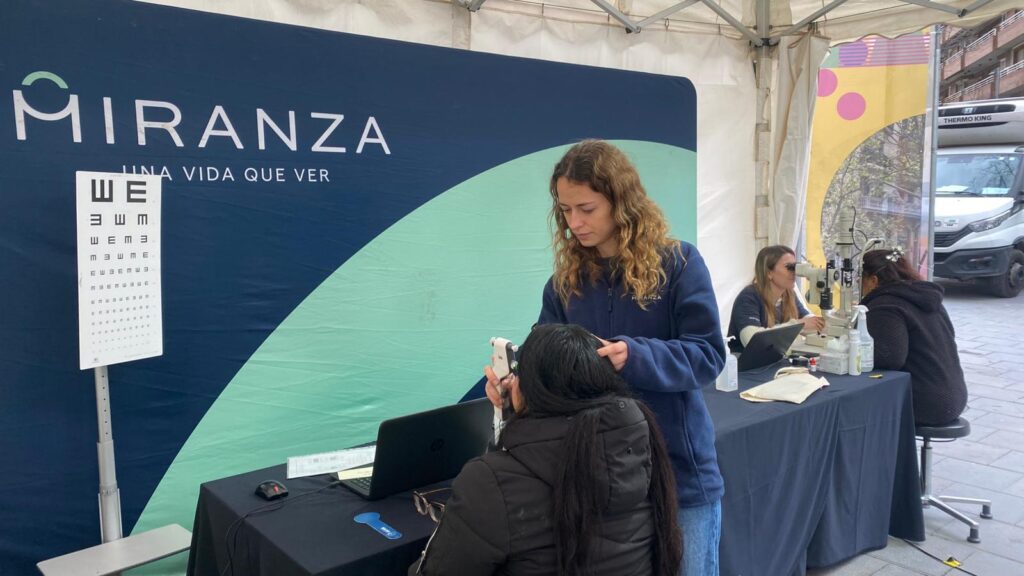
More than 800 people have participated in our glaucoma prevention campaign as part of World Glaucoma Week. This year, the number of examinations has exceeded those carried out last year, which totaled 568, consolidating this initiative as one of the main eye-health prevention actions at the national level.
According to the results of these screenings, 13% of patients present ocular hypertension, the main risk factor for developing glaucoma, a disease that can cause irreversible vision loss if it is not detected and treated in time.
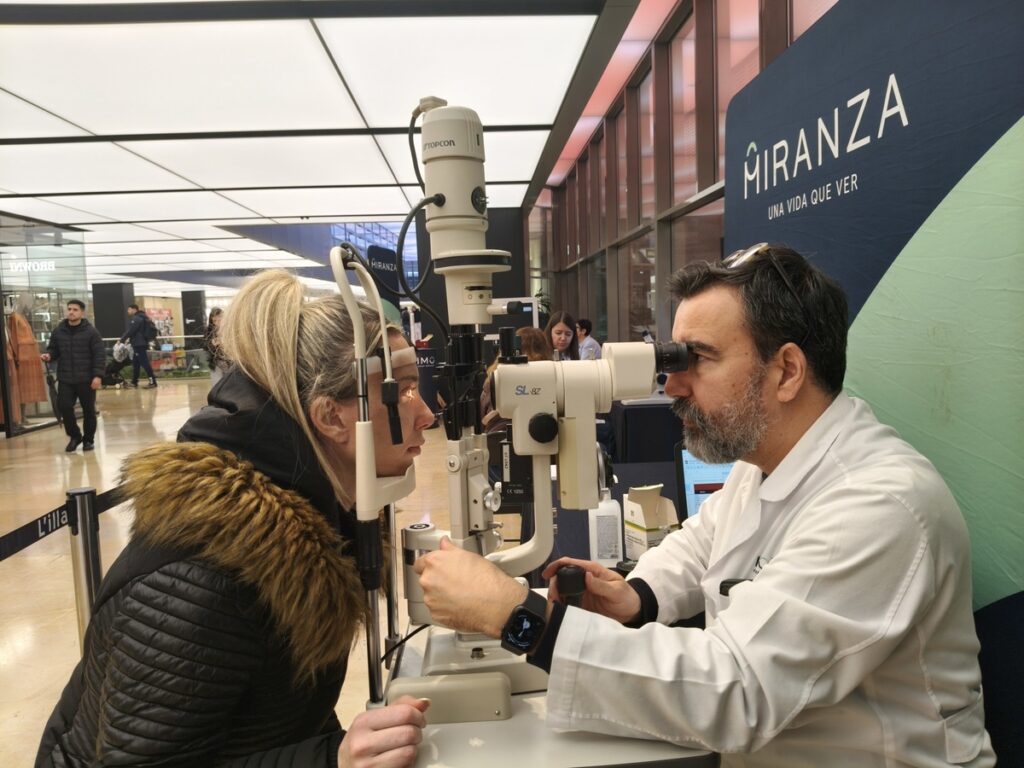
The glaucoma prevention campaign carried out by Miranza focused on measuring intraocular pressure (IOP), with screenings conducted between March 2 and March 9 in cities such as Albacete, Alicante, Barcelona, Bilbao, Las Palmas de Gran Canaria, Madrid, Palma de Mallorca, Santiago de Compostela, Seville, and Tenerife.
Although there are some forms of glaucoma in which intraocular pressure remains within normal values, most cases are related to elevated pressure levels. For this reason, the campaign focused on measuring IOP, a simple test that makes it possible to identify people at higher risk of developing the disease and refer them for a complete ophthalmological evaluation.
Profile of patients with elevated eye pressure
Among the people in whom elevated intraocular pressure levels were detected, 66.4% are women, while 33.6% are men. Regarding age, 43.6% of patients are over 60 years old, while 36.4% are between 40 and 60 years old. However, specialists remind that glaucoma is not exclusive to older ages, since 19.1% of patients with elevated IOP are under 40 years old.
Family history continues to be one of the main risk factors associated with the disease. In this regard, 24.5% of patients with ocular hypertension screened during the campaign have relatives affected by glaucoma.
Relationship with refractive errors
Data collected during the screenings also reflect the relationship between glaucoma and certain refractive errors. 46.4% of patients with elevated intraocular pressure have a history of visual alterations, including astigmatism (3.6%), myopia (11.8%), hyperopia (13.6%), and presbyopia (16.4%).
Additionally, undiagnosed refractive errors were detected in 7.4% of participants during the campaign screenings, highlighting the importance of regular ophthalmological check-ups to detect potential vision problems early.
What is intraocular pressure and why is it important to monitor it?
Intraocular pressure is the pressure of the fluid inside the eye, known as aqueous humor, and it is not related to blood pressure. In general, a pressure between 10 and 20 millimeters of mercury (mmHg) is considered normal.
Exceeding these levels is one of the main risk factors for the development of glaucoma. Increased pressure can progressively damage the optic nerve, which connects the eye to the brain, leading to irreversible vision loss if it is not detected and treated in time.
For this reason, specialists recommend undergoing regular ophthalmological check-ups starting at the age of 40, especially for individuals with a family history of glaucoma, significant refractive errors, or previous eye surgeries.