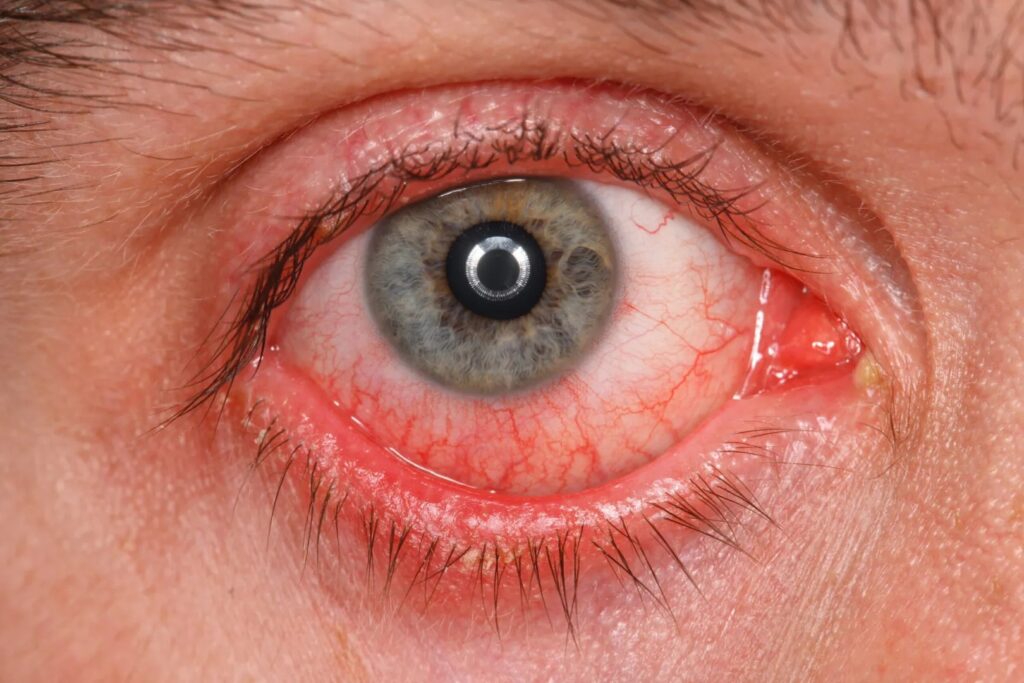
Red eye, itching, and tearing: when conjunctivitis can go beyond a simple irritation
With the arrival of spring and the increase in allergens such as pollen, cases of itchy eyes, tearing, and redness become more frequent. Although many people attribute these symptoms to mild seasonal discomfort, they may be indicative of conjunctivitis—a common eye condition, but not one to be taken lightly.
Dr. José Alberto Muiños, Medical Director at Miranza Clínica Muiños, warns that “not all conjunctivitis cases are the same, and distinguishing between them is key to avoiding complications and applying the appropriate treatment.” In this regard, the specialist explains that behind a red eye there can sometimes be different types of conjunctivitis. At this time of year, allergic conjunctivitis is common, often linked to pollen, dust mites, or animal hair, among other allergens. In addition, there is a specific form of allergic conjunctivitis caused by the body’s reaction to contact lens materials. This is known as papillary conjunctivitis, which usually appears a few months after wearing contact lenses and can threaten vision if not treated in time.
Another type is irritative conjunctivitis, associated with substances such as pool chlorine, makeup, or air pollutants. There is also infectious conjunctivitis, caused by bacteria or viruses, which may present with discharge. “The cause determines the treatment. Not all conjunctivitis requires the same approach,” Dr. Muiños emphasizes.
Contact lenses and poor habits
Incorrect use of contact lenses is one of the factors that can նպ trigger the onset of conjunctivitis. “Contact lenses are a foreign body that require the eye’s natural moisture. Heat or air conditioning can promote dryness, which tends to irritate the eyeball,” explains the specialist.
In addition, a common mistake increases the risk: “The worst enemy of contact lenses is water. They should never be cleaned with it—only with saline solution.” Furthermore, Dr. Muiños emphasizes that prolonged use of maintenance solutions may, over time, contribute to the development of allergic conjunctivitis. For this reason, he recommends opting for daily disposable lenses whenever possible.
From discomfort to more serious complications
Although not all cases of conjunctivitis are serious, Dr. Muiños insists that symptoms should not be underestimated, nor should medical consultation be delayed if they worsen. “The problem is not just allergic conjunctivitis. If not treated in time, infections or even corneal ulcers may develop,” he warns. These complications can lead to scarring of the cornea—known as a leucoma—and significantly affect visual acuity.
In this regard, the Medical Director of Miranza Clínica Muiños emphasizes the importance of identifying warning signs such as the appearance of whitish or yellowish discharge or persistent redness in the eye. “In the presence of any of these signs, it is essential to consult a professional to prevent the development of an infection or a more serious condition,” he notes.
How to relieve and prevent conjunctivitis
In mild cases of conjunctivitis, measures such as cold compresses and artificial tears are usually sufficient to relieve symptoms. In more severe situations, specific eye drops or anti-inflammatory treatments may be required, always under medical supervision.
Prevention remains the best approach: maintaining proper hygiene—especially for contact lens users—and following specialists’ recommendations can help avoid cases of conjunctivitis.